

Air conditioning has transformed from a simple luxury into an essential component of modern living, particularly with changing climate patterns. At Natural Gas and Water, we provide expert heating and cooling services across Canberra, addressing the growing demand for more intelligent and efficient solutions. Rising energy costs necessitate a shift towards advanced technologies and future air conditioning that offer superior comfort without excessive expense. Key trends are shaping the industry, including innovative energy-efficient designs and environmentally conscious refrigerants. Contact us to discuss upgrading your climate control.
Integrating Smart Systems for Optimal Comfort
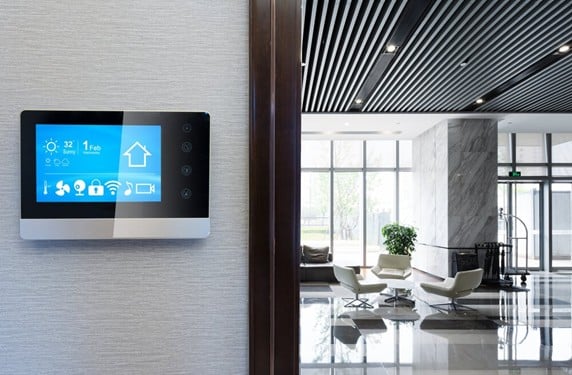
The integration of Internet of Things (IoT) technology is revolutionising residential and commercial climate control. The rise of automatic thermostats allows for unprecedented management of heating and cooling environments. These devices learn user behaviour and preferences over time; they automatically adjust settings to optimise energy consumption while maintaining comfort. For example, systems can reduce output when a home is unoccupied and prepare the environment for a resident’s return, all controlled remotely via a smartphone application. This level of automation is a core feature of modern smart home systems.
Innovations in Energy-Efficient Unit Design
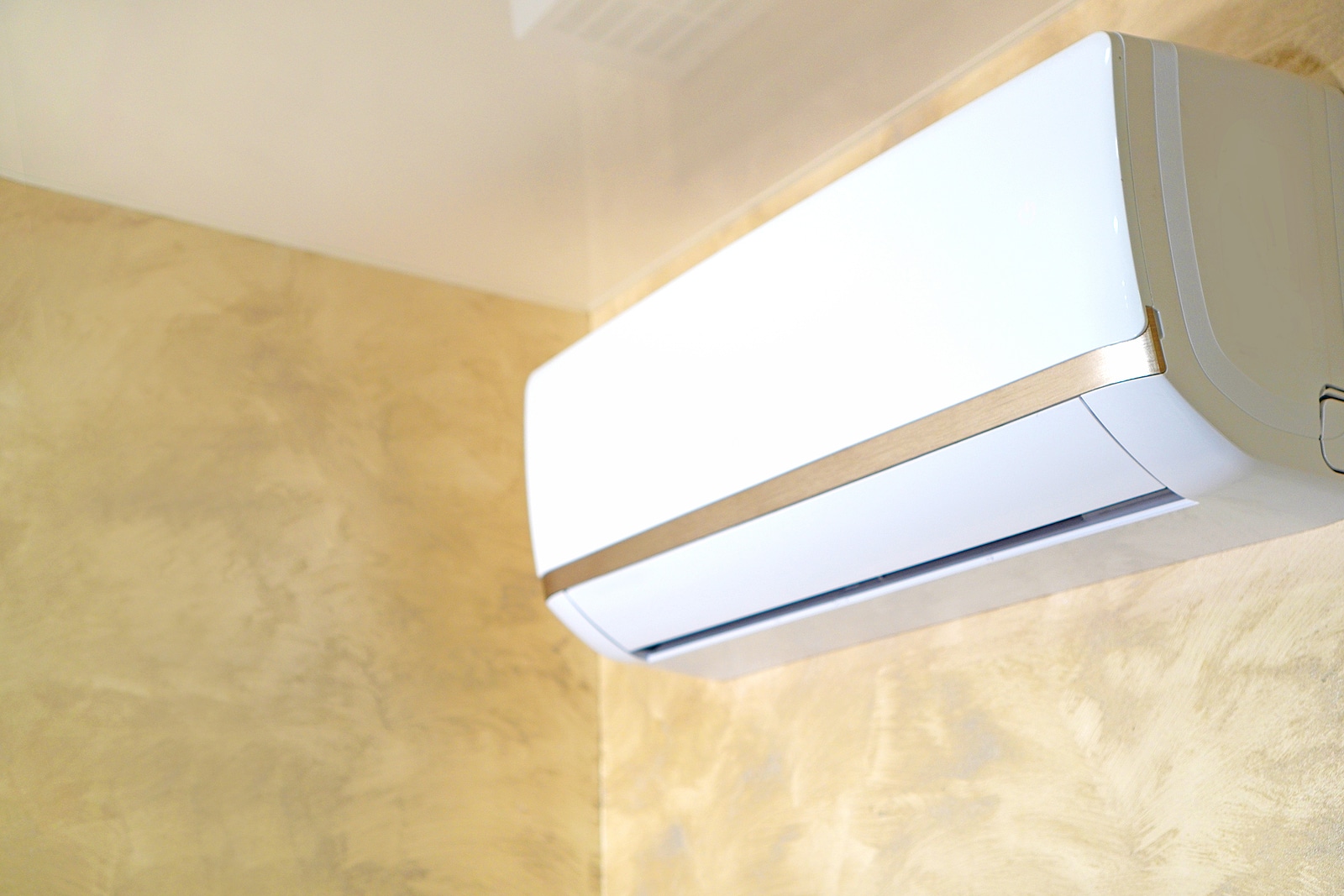
Technological advancements in air conditioner design focus heavily on reducing electricity consumption. Inverter technology is a significant innovation; it allows the compressor to operate at variable speeds instead of simply switching on or off. This process drastically cuts energy use and provides more consistent temperatures. Paired with improved heat exchanger designs that facilitate more effective thermal transfer, these units deliver substantial savings on utility bills. A household upgrading to a system with high-efficiency inverter technology can reduce cooling energy costs by 30 to 50 percent, a considerable saving over the unit’s lifespan. These smart home systems offer both financial and environmental benefits.
Future Trends: AI and Solar-Powered Cooling
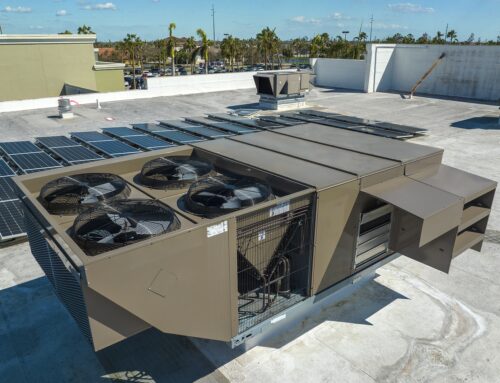
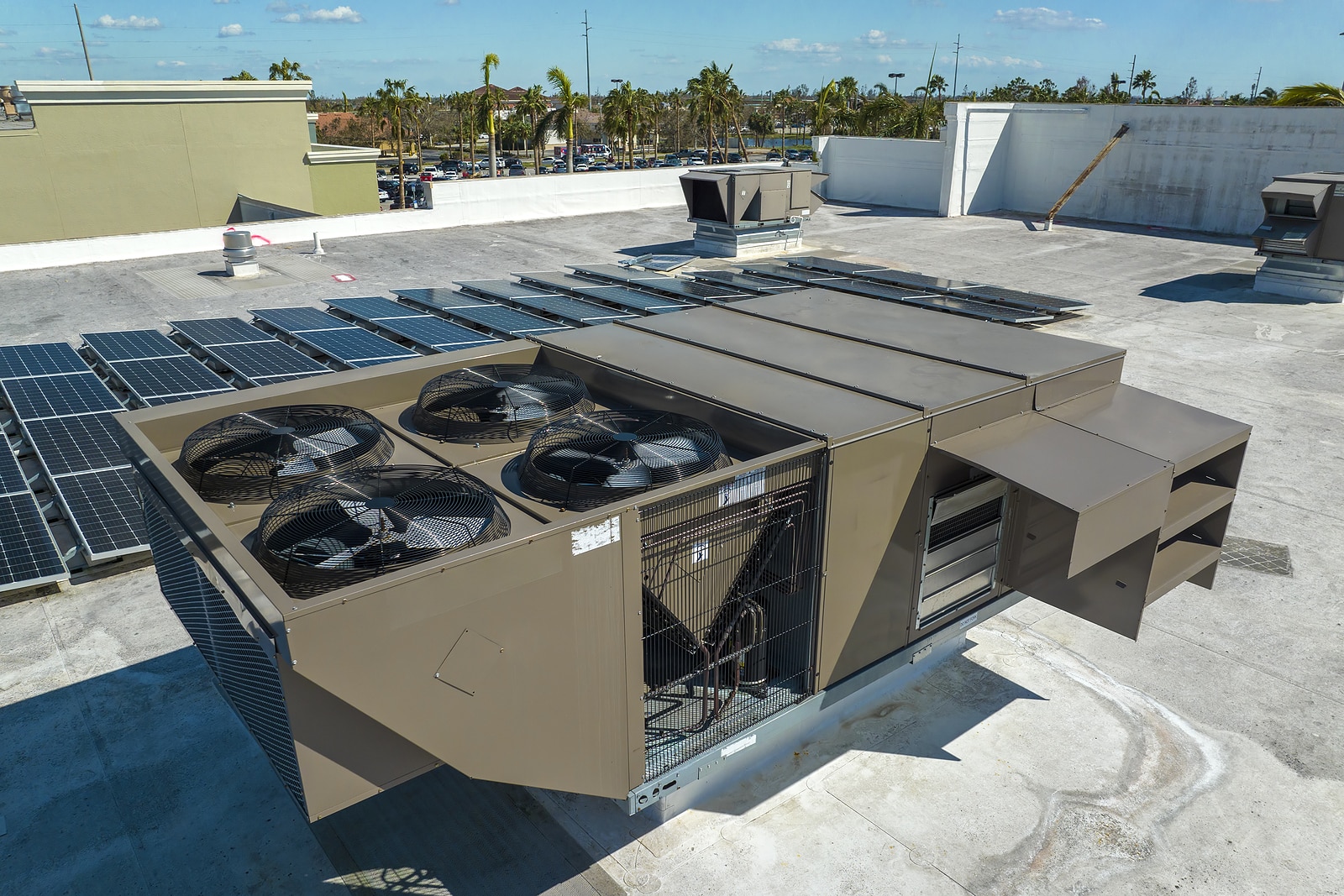
Beyond current innovations, the next generation of climate control is developing rapidly. AI-driven systems are poised to offer predictive climate management by analysing complex data sets, including local weather forecasts, real-time grid energy pricing and room occupancy patterns. This allows the system to pre-cool a space efficiently before a heatwave hits. Another significant trend is solar-powered air conditioning, which uses dedicated photovoltaic panels to operate the unit during peak sun hours, reducing grid dependence. In such a setup, smart thermostats act as a vital sensor and user interface within a larger intelligent network.
The Shift to Eco-Friendly Refrigerants
The environmental impact of air conditioning is a critical consideration in its ongoing development. Traditional refrigerants contribute to ozone depletion and global warming. Consequently, the industry is transitioning to eco-friendly alternatives. Refrigerants such as R-32 have a much lower global warming potential than their predecessors. This shift aligns with international environmental protocols and sustainability goals. Adopting units that use these newer refrigerants is a key aspect of future air conditioning, reducing the carbon footprint associated with cooling homes and businesses. The move contributes to a healthier planet.
Upgrade Your Home with the Latest Cooling Technology
Explore how smart thermostats and efficient units can benefit your property. Call Natural Gas and Water on 02 6108 3822 or visit our contact page to schedule a consultation.



Leave A Comment