

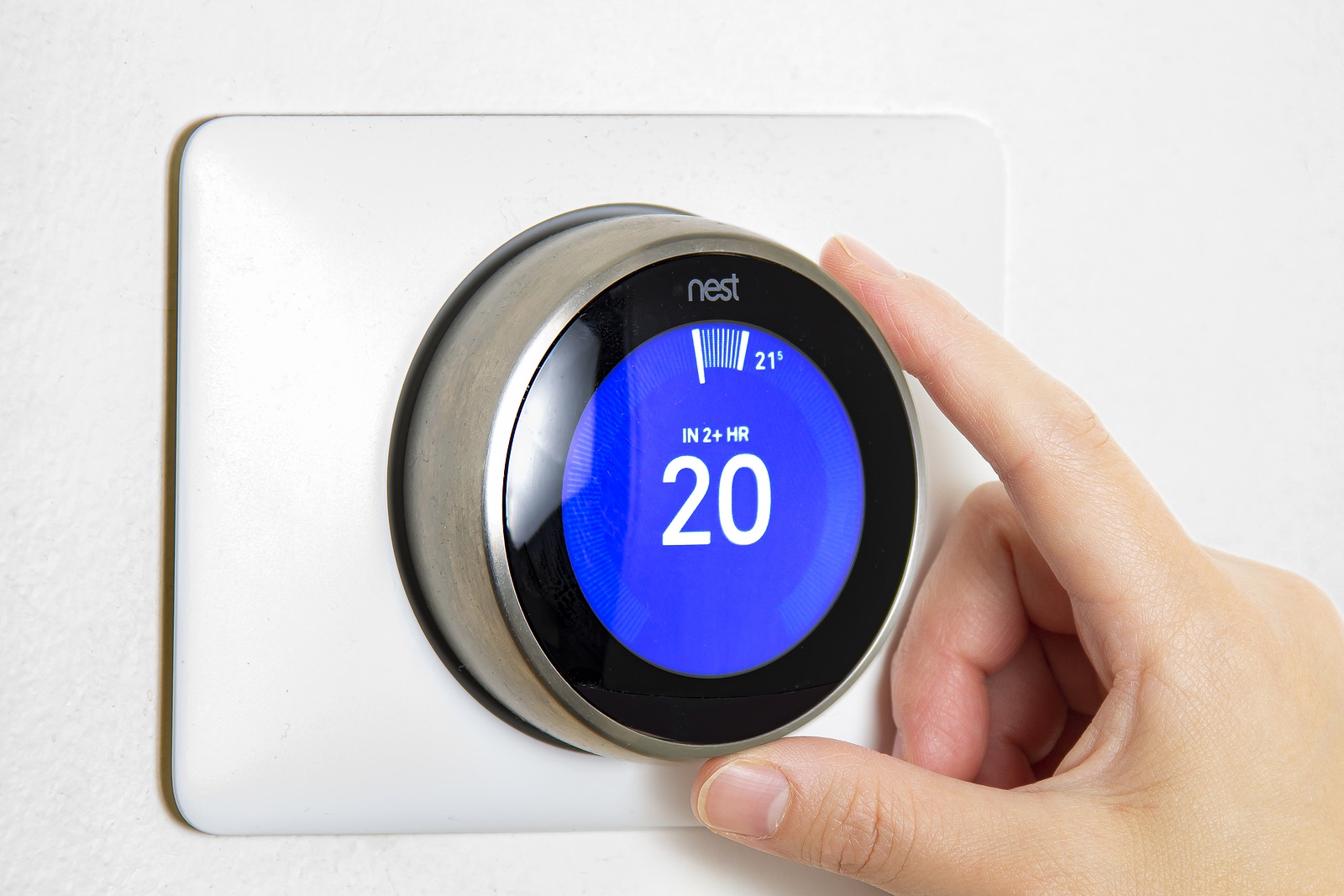
Australian homes operate with a single climate control system which distributes air uniformly through the entire building space without considering actual room usage. The method proves to be inefficient because it consumes both energy and financial resources. Home zoning systems bring a new way to control climate through their ability to create separate temperature control areas within a house. The knowledge of zone control systems enables Canberra residents to achieve better cooling performance and save up to 35% on their energy expenses while receiving individualized comfort settings.
What Is Home Zoning?
Zone control systems divide your home into distinct areas, each with its own thermostat and dampers. The system uses separate temperature control zones to maintain different temperatures in each room so it can cool occupied areas while keeping empty rooms at lower temperatures. The method achieves better results at reducing wasteful energy usage.
Core Components
The three essential components for effective zoning systems include ductwork dampers and individual thermostats and a central control panel. The system uses automatic dampers to control air distribution between different zones. The system uses thermostats to control room temperature levels. The control panel operates every system component to maintain system efficiency.
Key Benefits for Canberra Homes
The system operates with less power usage because it only cools the areas that are actually used which results in 30–35% energy savings. The total amount of money saved each year becomes a major financial benefit for families who need to use cooling systems during the hot summer months. The system delivers superior performance to multi-level homes because it provides individual cooling for each floor which solves the heat accumulation problem that two-storey homes face.
Family members in every household have their own unique temperature preferences. Zoning systems operate to prevent thermostat conflicts from occurring between different heating and cooling zones. The bedrooms stay at lower temperatures for sleep while the rest of the house keeps the usual daytime warmth. The individual comfort needs of partners and children and guests remain fully satisfied.
The entire home cooling process makes HVAC systems operate at maximum capacity which results in increased system load. Zoning systems decrease operational load which results in longer equipment life and reduced maintenance requirements. The system operates at lower maintenance costs because it experiences reduced stress which leads to better reliability rates.
Flexible Occupancy Management: Work from home? Close office zone vents when working elsewhere. The cooling system should operate at lower levels for rooms that stay empty during daylight hours. The system adjusts automatically to different occupancy patterns which stops unnecessary conditioning of empty rooms.
Smart Zoning Technology
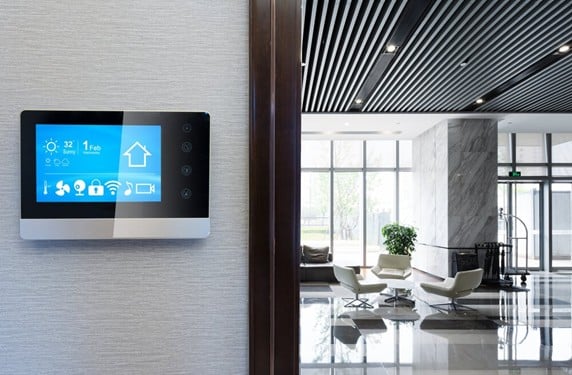
Modern systems combine three essential components which include smartphone applications and motion sensors and programmable thermostats. The Tru-Zone and MyAir systems from ActronAir demonstrate cutting-edge zoning technology which enables users to control up to 10 separate zones through mobile devices and automatic occupancy detection and pre-set scheduling features.
These intelligent systems learn usage patterns, automatically adjusting zones based on occupancy. The system uses motion sensors to detect empty rooms which leads to automatic reduction of air conditioning. The system uses scheduling features to pre-set temperature control which ensures occupants find their home comfortably warm at arrival but it wastes energy through unnecessary pre-cooling.
Practical Implementation
Effective zoning requires strategic planning. The evaluation process starts by determining which rooms people use during their workday activities. Which spaces need overnight cooling? The layout should separate bedrooms from living spaces while allowing adaptable placement of spare rooms and home offices.
NGW Group suggests you should get a professional evaluation of your home layout and family size and local weather patterns. Custom zoning design maximises efficiency and comfort specific to your needs.
Multi-Storey Advantages
Multi-level homes deliver various benefits to their owners. The upper floors of a building tend to get warmer so zoning systems enable separate temperature control for these areas without affecting the temperatures of the lower floors. The method solves built-in heat distribution problems which results in steady comfort levels throughout multi-story buildings.
The Bottom Line
The system allows homeowners to move away from generic climate control systems toward customized temperature solutions that optimize energy performance. Zoning systems provide measurable comfort improvements and substantial energy savings when combined with regular maintenance.
Contact NGW Group Today
NGW Group provides expert services for professional zoning system design and installation and integration. Our expert team evaluates your home needs to create the best zoning plan for your space.
Book your zoning consultation today on 02 6108 3822 or visit ngwgroup.com.au to discover how zoning can maximise your cooling efficiency and comfort.




Leave A Comment